

Therapy for Complex PTSD

You survived long term trauma, but surviving is not the same as living. Your emotions swing between overwhelm and numbness, relationships feel unsafe, and hypervigilance keeps you exhausted. Memories intrude, trust feels impossible, and you may fear you're permanently damaged. Traditional PTSD treatment often misses the complexity of repeated trauma, which is why complex PTSD needs specialized care that heals deep, long standing wounds.
Understanding Complex PTSD
How Complex PTSD differs from PTSD
PTSD usually follows a single traumatic event, while Complex PTSD develops from repeated or long term trauma where escape was impossible. This includes ongoing childhood abuse or neglect, chronic domestic violence, captivity, trafficking, or prolonged exposure to danger. PTSD affects responses to trauma reminders, while Complex PTSD impacts identity, emotional regulation, and relationships. According to research on Complex PTSD, it includes PTSD symptoms plus severe emotional dysregulation, negative self-concept, and major relationship difficulties shaped by long standing trauma.
The roots of Complex PTSD
Complex PTSD often stems from childhood trauma where caregivers were unsafe, unpredictable, or neglectful. Growing up in chronic fear disrupts attachment, emotional regulation, and your sense of worth. Adults can develop Complex PTSD from prolonged situations where they were trapped, such as domestic violence, captivity, cults, abusive workplaces, or war zones. Studies show that the complexity comes from long term interpersonal harm involving betrayal, isolation, and loss of autonomy, which creates deeper wounds than fear alone.
Complex PTSD (C-PTSD) statistics
Sources: World Health Organization (ICD-11 Data). Unlike standard PTSD (fear-based), Complex PTSD is characterized by "emotional flashbacks" and deep feelings of shame/worthlessness, usually resulting from prolonged captivity or childhood neglect.
How Complex PTSD manifests in daily life
Severe emotional dysregulation
Emotions feel unpredictable and intense. You might erupt in anger, collapse into grief, or feel overwhelming anxiety, or you might shut down completely and feel numb or detached. Dissociation can appear under stress. These reactions reflect a regulation system shaped by trauma during development, not weakness.
Pervasive negative self-concept
You live with deep shame and the belief that you are defective or unlovable. These beliefs formed during trauma and feel like facts rather than low mood. You may blame yourself for what happened or feel damaged and beyond repair, affecting relationships, work, and your capacity for self-care.
Profound relationship difficulties
You long for connection but struggle to trust. You might push people away or attach quickly and lose yourself in relationships. Patterns often repeat earlier trauma, and intimacy can feel unsafe. You may not know who you are outside others’ needs or expectations.
Hypervigilance and constant sense of threat
Your nervous system stays alert, scanning for danger and reacting strongly to sudden sounds or movements. Relaxing or sleeping feels unsafe. You might live with chronic dread or tension. This state reflects years spent in unsafe environments where vigilance was necessary.
Flashbacks and intrusive re-experiencing
Memories return suddenly through vivid flashbacks or emotional flashbacks that pull you into old feelings without clear triggers. Nightmares or sensory cues can activate overwhelming reactions because the brain processed trauma as ongoing instead of past.
Difficulty with identity and sense of self
You might feel uncertain about who you are or define yourself mainly through trauma. You may shift identities to fit others or feel disconnected from your values and preferences. Some people feel fragmented, with different parts holding different emotions or memories.
How therapy heals Complex PTSD
Rebuilding from the foundation up
Complex PTSD therapy rebuilds core capacities that trauma disrupted, including emotional regulation, trust, identity, and safety. It heals developmental wounds while processing memories, supported by a stable therapeutic relationship that provides the safety needed for deep recovery.
Why standard PTSD treatment isn’t always enough
Standard PTSD approaches focus on processing specific memories, which can feel overwhelming for people with Complex PTSD who first need stability and emotional regulation. Complex trauma involves many interconnected experiences, not isolated events, so treating each memory individually may not meet your needs. Research on Complex PTSD treatment shows that people often benefit more from approaches that build present-day regulation, safety, and a strong therapeutic relationship while gently processing broader trauma themes.
Therapeutic approaches effective for Complex PTSD
Dialectical Behaviour Therapy (DBT)
DBT teaches practical skills for managing the emotional intensity common in Complex PTSD. You learn mindfulness to stay present, distress tolerance to handle crises, emotion regulation to understand and manage difficult feelings, and interpersonal effectiveness to build healthier relationships. DBT’s structure provides steady support and can be combined with trauma processing for a complete approach.
Internal Family Systems (IFS)
IFS addresses the inner fragmentation created by long-term trauma. It sees your inner parts as adaptations that helped you survive. Therapy helps you connect with your core Self so you can support and heal younger parts holding pain and fear. This approach is especially helpful when trauma involved many relational wounds across development.
Schema Therapy
Schema therapy works with deep beliefs shaped by chronic trauma. You identify patterns like feeling defective or unlovable and learn how they formed. Through cognitive work and limited reparenting, your therapist helps meet needs that were not met in childhood. You develop healthier internal modes and a stronger, more stable sense of self.
Sensorimotor Psychotherapy
Sensorimotor Psychotherapy focuses on how trauma affects the body. You learn to notice physical sensations, recognize nervous system states, and use movement to process trauma stored somatically. This body-based work complements talk therapy by releasing tension, completing defensive responses, and restoring your natural capacity for regulation.
EMDR adapted for Complex PTSD
EMDR for complex trauma involves more preparation than standard EMDR. Adapted EMDR builds internal resources before memory work and often focuses on themes rather than single events. You may work with parts and create internal safety so that when memories are processed, your nervous system stays grounded while the brain reprocesses traumatic material.
Attachment-Based and Relational Therapy
Because Complex PTSD involves profound attachment wounds, relational therapy provides the consistent, attuned presence you may not have had early in life. This steady connection helps your nervous system learn safety over time and supports the development of healthier patterns of trust, boundaries, and emotional closeness.
Compassion-Focused Therapy (CFT)
CFT directly addresses shame and harsh self-criticism. You learn to understand the critic as a fear-based system and develop a compassionate inner voice that supports healing. Through imagery and practice, you build the ability to respond to yourself with warmth, understanding, and encouragement, which is essential for rebuilding self-worth.
The healing journey: what to expect
Phase 1: Building safety and learning to regulate
This phase focuses on creating stability. You work on feeling safe, understanding your nervous system, and building tools to manage overwhelm. Grounding, breathing, mindfulness, and crisis plans help you stay present when emotions or memories feel too strong. Since trauma interfered with developing these skills early in life, this part takes time. Your therapist moves at your pace to help you gain enough steadiness for deeper work later.
Phase 2: Processing trauma and grief
When you have more stability, you begin working with traumatic experiences in ways that feel manageable. You may focus on specific memories or on themes such as abandonment or helplessness. Your therapist supports you in staying within your tolerance while using your new regulation skills. This phase often brings grief for what you missed in childhood and anger toward those who harmed you. Feeling these emotions is part of healing, and your therapist holds space for them with care.
Phase 3: Rebuilding identity and relationships
As trauma becomes less dominant, you start shaping a life that reflects your true self. You explore identity, values, and joy rather than survival. You learn healthier patterns in relationships, build trust gradually, and practice expressing needs in safe ways. This phase also includes reconnecting with your body, noticing comfort and pleasure, and restoring a sense of vitality. The aim is moving from coping to living with intention, connection, and a more grounded sense of who you are.
Find a therapist who specializes in Complex PTSD
Choosing the right therapist matters. Each province in Canada has its own regulations, which is why working with a recognized professional can make a real difference in your care. Stellocare takes the uncertainty out of the process by listing only verified therapists you can trust.
The right therapist for you
No therapists found with these specialties in Ontario.
Try selecting a different province.Resources and coping strategies for Complex PTSD
Canadian community services: Complex Trauma
Specialized public programs (OHIP/MSP)
Women's College Hospital - Trauma Therapy Program (Toronto)
This is a specialized, publicly funded (OHIP) program for adults who experienced childhood interpersonal trauma (abuse/neglect). It is one of the few hospital programs in Canada that explicitly treats the "relational" wounds of C-PTSD, not just acute symptoms.
Men’s trauma recovery (Non-profit)
Men & Healing (Ottawa/Virtual)
A dedicated mental health agency for men. They run the "Truth Telling" and "Men & Healing" group programs, which are specifically for male survivors of childhood sexual and physical abuse. This is a rare, safe community space for men to process historical trauma.
Atlantic & Western Canada services
Bridges Institute (Truro, NS)
A non-profit counselling centre in Nova Scotia specializing in domestic violence and trauma. They offer specialized men’s and women’s groups that focus on repairing the "relational ability" often damaged by long-term abuse.
Sources Trauma Counselling (British Columbia)
A community service offering free or low-cost counselling specifically for "Historical Trauma" and survivors of childhood abuse. They use trauma-informed modalities (like Somatic Experiencing) rather than just talk therapy.
Peer support & survivor communities
The Gatehouse (Toronto/Online)
A charitable community hub for adult survivors of childhood sexual abuse. They offer peer-facilitated support groups (Phases 1 & 2) that focus on reducing isolation and shame. It is a non-clinical environment run by survivors, for survivors.
Daily practices for managing Complex PTSD
Regulating your nervous system
- Box breathing: Breathe in for 4, hold for 4, out for 4, hold for 4. Repeat until you feel calmer. This activates your parasympathetic nervous system.
- Cold water: Splash cold water on your face, hold ice cubes, or take a cold shower. This triggers your dive reflex, rapidly calming activation.
- Bilateral stimulation: Cross-crawl marching, tapping alternating knees, or butterfly hug (tapping alternating shoulders). This mimics EMDR's calming effects.
- Progressive muscle relaxation: Tense then release each muscle group from toes to head, releasing trauma-related tension held in your body.
Managing dissociation and flashbacks
- 5-4-3-2-1 grounding: Name 5 things you see, 4 you touch, 3 you hear, 2 you smell, 1 you taste. This anchors you in present reality.
- Orienting to present: Say aloud: "I'm [name]. I'm [age]. It's [date]. I'm in [location]. I'm safe right now." Repeat until present.
- Strong sensations: Hold something textured, stomp feet firmly, or do wall push-ups. Physical sensation interrupts dissociation.
- Flashback protocol: Remind yourself: "This is a flashback. I'm remembering, not experiencing. It already happened. I survived. I'm safe now."
Working with emotional overwhelm
- Container technique: Visualize placing overwhelming emotions in a secure container with a lid. They're contained, not gone, until you can process them with support.
- Emotion surfing: Notice emotions like ocean waves—they rise, peak, and fall naturally. Observe without fighting or feeding them. They will pass.
- Self-compassion: Place hand on heart: "This is really hard. What I'm feeling makes sense. I'm doing my best. May I be kind to myself."
- TIPP skills: Temperature (cold water), Intense exercise (jumping jacks, running), Paced breathing, Paired muscle relaxation. DBT crisis skills for overwhelming moments.
Managing shame and self-criticism
- Externalize the critic: When self-critical thoughts arise, ask: "Where did I learn this message? Whose voice is this really?" It's not truth—it's internalized abuse.
- Challenge shame beliefs: "What happened to me is not who I am. I'm not damaged. I'm wounded, and wounds can heal."
- Compassionate self-talk: Speak to yourself as you'd speak to a hurt child: with kindness, understanding, and reassurance of safety and worth.
- Shame resilience: Share shame with safe people. Shame thrives in secrecy and dies in empathy. Choose carefully who can hold your story.
Building safety in relationships
- Identify safe people: Who can you trust with vulnerability? Who validates your experiences? Build a specific support network you can call on.
- Practice boundaries: Start small—saying no to minor requests, expressing preferences. Boundaries protect you and make connection safer.
- Recognize red flags: Notice patterns: people who violate boundaries, dismiss your needs, or recreate trauma dynamics. Trust your instincts.
- Communicate needs: Practice asking for what you need in clear, direct ways: "I need space," "I need reassurance," "I need to slow down."
Common questions about Complex PTSD therapy
How do I know if I have Complex PTSD versus regular PTSD?
Complex PTSD usually comes from repeated or inescapable trauma and often includes severe emotional swings, deep shame, and major relationship struggles. PTSD from single events centres more on fear responses to specific memories. A trauma-informed therapist can help you understand which fits your experience.
Can Complex PTSD be cured or will I always struggle?
Healing is very possible. You can develop emotional stability, healthy relationships, and a stronger sense of self. Triggers lessen over time and trauma becomes part of your history rather than your identity. Many people eventually live calm, connected, and fulfilling lives.
Why does therapy take so long for Complex PTSD?
You are learning capacities that never had the chance to form in unsafe environments. Emotional regulation, trust, and stable identity develop slowly and need repetition. The pace supports safety and helps change last. It reflects the depth of the work, not lack of progress.
What if I can't afford long-term therapy?
Many people use sliding scale options, community clinics, hospital programs, or university training centres. Even occasional therapy with support groups or guided resources can help. Access should not depend on income and you can seek support wherever it is available.
Can medication help with Complex PTSD?
Medication can reduce symptoms such as anxiety, depression, or sleep disturbances so you can engage in therapy more effectively. It does not heal trauma alone but can support the process. A psychiatrist can help determine what fits your needs.
What if my family denies the trauma happened?
Denial is common and often reflects their own shame or avoidance. Your body and symptoms still reflect what you lived through. You can heal without their acknowledgment and create distance if needed. Your therapist can help you process this safely.
Will I ever be able to have healthy relationships?
Yes. With healing, you can develop trust, set boundaries, and form meaningful connections. As you build emotional regulation and self-worth, your ability to choose supportive relationships grows. Many people with Complex PTSD eventually create relationships that feel safe and steady.
Related concerns
References
- Cloitre, M., et al. (2018). The International Trauma Questionnaire: development of a self-report measure of ICD-11 PTSD and complex PTSD. Acta Psychiatrica Scandinavica, 138(6), 536-546. Retrieved from https://pubmed.ncbi.nlm.nih.gov/30178492/
- Karatzias, T., et al. (2018). Evidence of distinct profiles of posttraumatic stress disorder (PTSD) and complex posttraumatic stress disorder (CPTSD). Psychological Trauma, 11(2), 166-173. Retrieved from https://pubmed.ncbi.nlm.nih.gov/27723542/
- Karatzias, T., & Cloitre, M. (2019). Treating adults with complex posttraumatic stress disorder using a modular approach to treatment. BMC Psychiatry, 19(1), 288. Retrieved from https://onlinelibrary.wiley.com/doi/abs/10.1002/jts.22457
- Internal Family Systems Institute. (2024). About IFS. Retrieved from https://ifs-institute.com/
- EMDR International Association. (2024). Find a Therapist. Retrieved from https://www.emdria.org/
- Walker, P. (2013). Complex PTSD: From Surviving to Thriving. CreateSpace Independent Publishing.
- van der Kolk, B. (2014). The Body Keeps the Score: Brain, Mind, and Body in the Healing of Trauma. Penguin Books.
- Schwartz, R. C. (2021). No Bad Parts: Healing Trauma and Restoring Wholeness with the Internal Family Systems Model. Sounds True.
- Herman, J. L. (2015). Trauma and Recovery: The Aftermath of Violence. Basic Books.
À propos de Stellocare
Stellocare est une plateforme canadienne où vous pouvez trouver la thérapeute ou le thérapeute qui vous convient le mieux. Trouvez la bonne personne en utilisant notre IA, en parcourant notre liste ou en demandant une recommandation personnalisée à nos travailleuses sociales ou travailleurs sociaux.

Vrushalee Nachar
Registered Psychotherapist (ON)
Sze Nga Cecilia Au Yeung
Registered Social Worker (ON)
Judith Klapak
Counselling Therapist (AB)
Liv Noël Dakkak
Registered Social Worker (ON)
Jonathon Zarb
Registered Psychotherapist (ON)
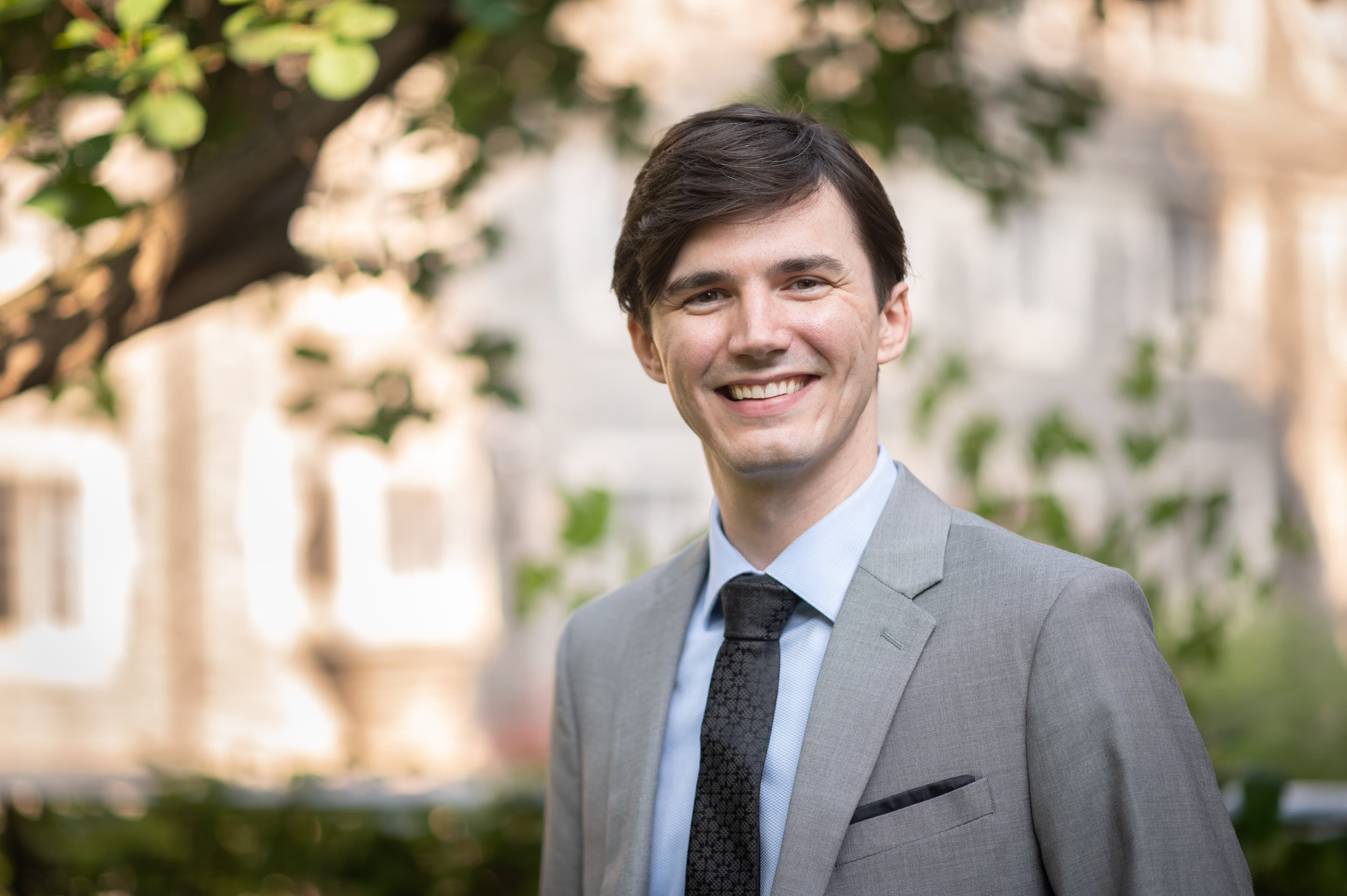
Spencer Nageleisen
Registered Psychotherapist (ON)
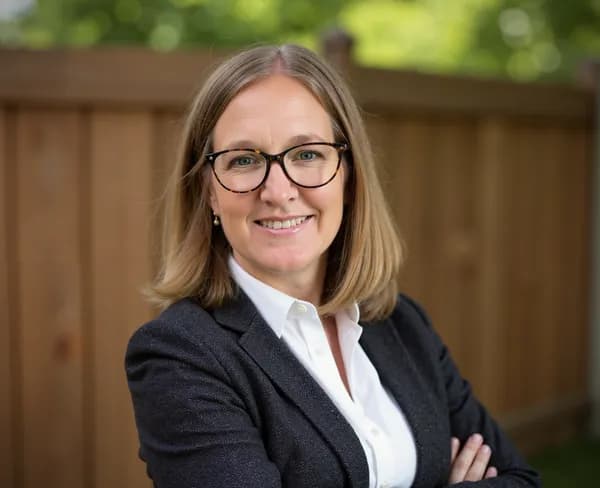
Karen Weishuhn
Registered Psychotherapist (Qualifying) (ON)
Jeromy Deleff
Canadian Certified Counsellor

Melodi Laframboise
Registered Psychotherapist (ON)

Maya Dousti
Registered Psychotherapist (ON)
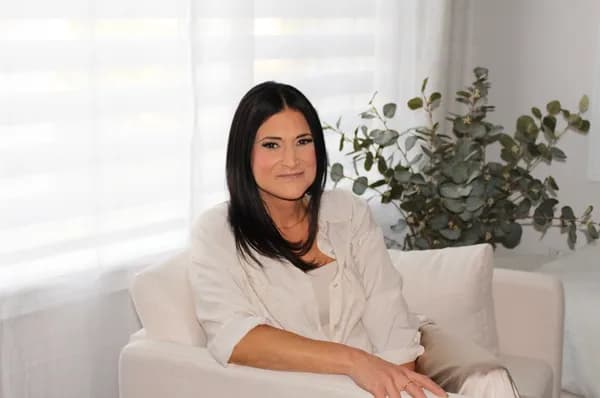
Jessica DeMille
Registered Psychotherapist (Qualifying) (ON)

Rebecca Sun
Registered Clinical Counsellor (BC)

Irfa Samnani
Registered Psychotherapist (Qualifying) (ON)
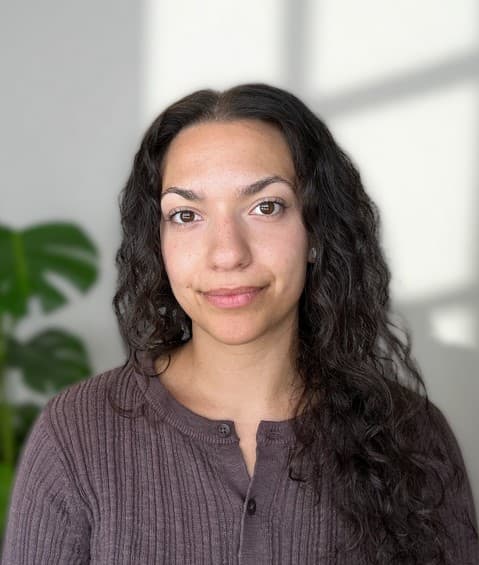
Jessica Bagiamis
Registered Psychotherapist (ON)
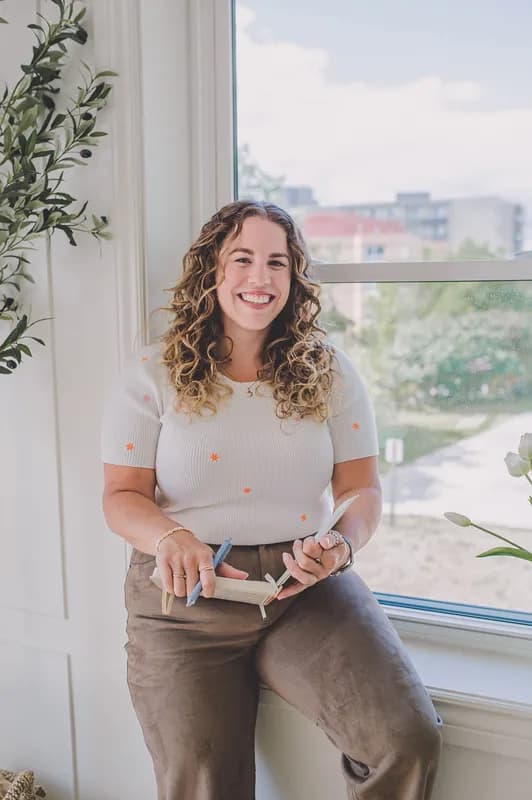
Chelsea Jackson
Registered Psychotherapist (ON)

Mackenzie Fournier
Registered Psychotherapist (ON)

Ivana Di Cosola
Registered Social Worker (ON)
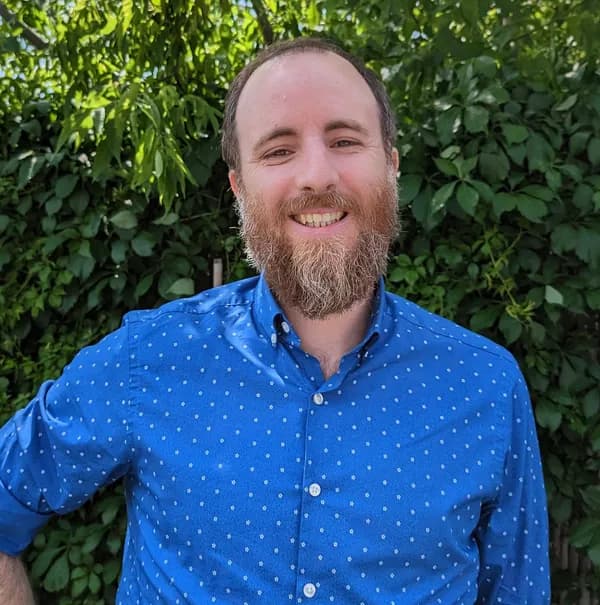
Mat Dean
Registered Psychotherapist (ON)
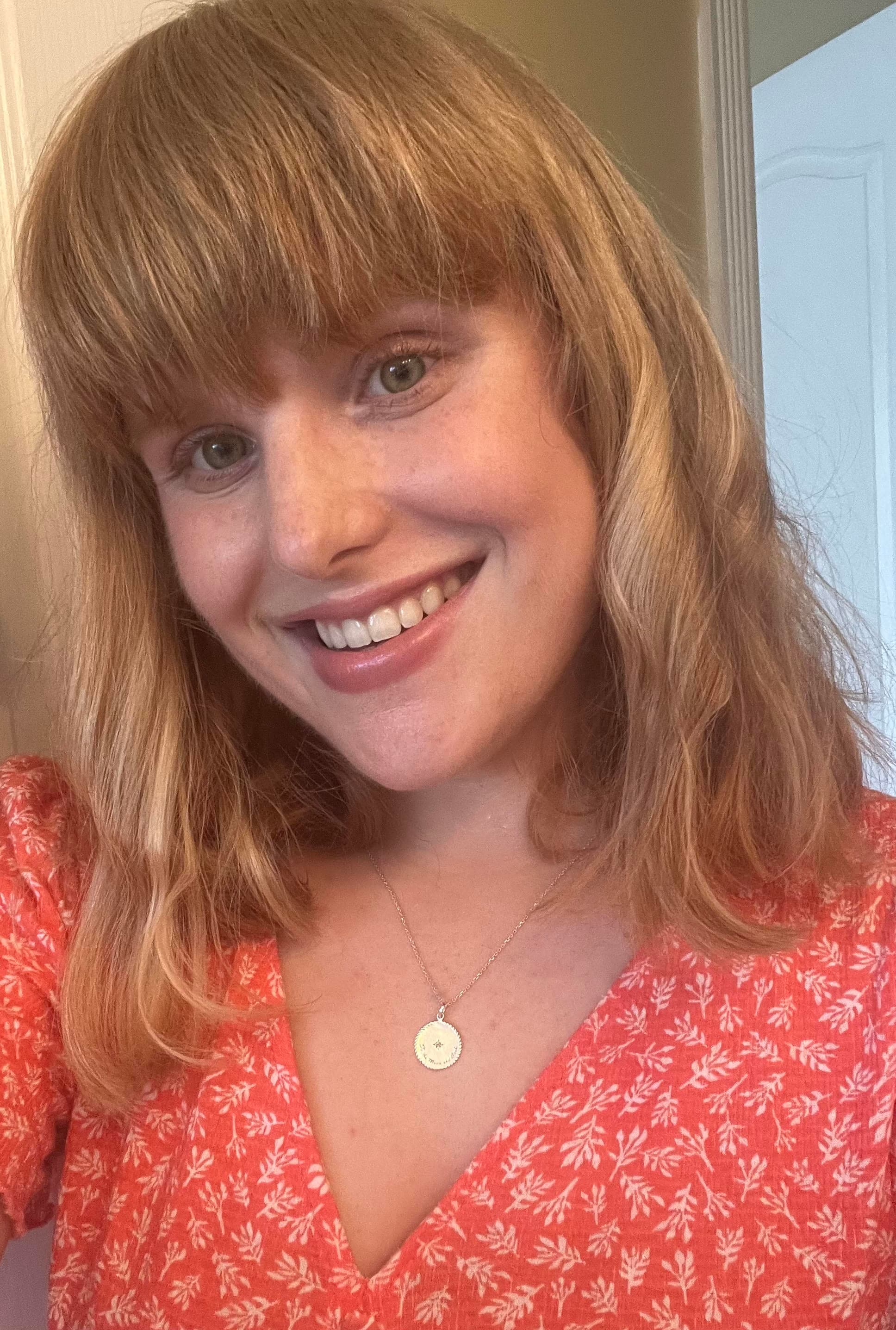
Jennica Campbell
Registered Therapeutic Counsellor (BC)
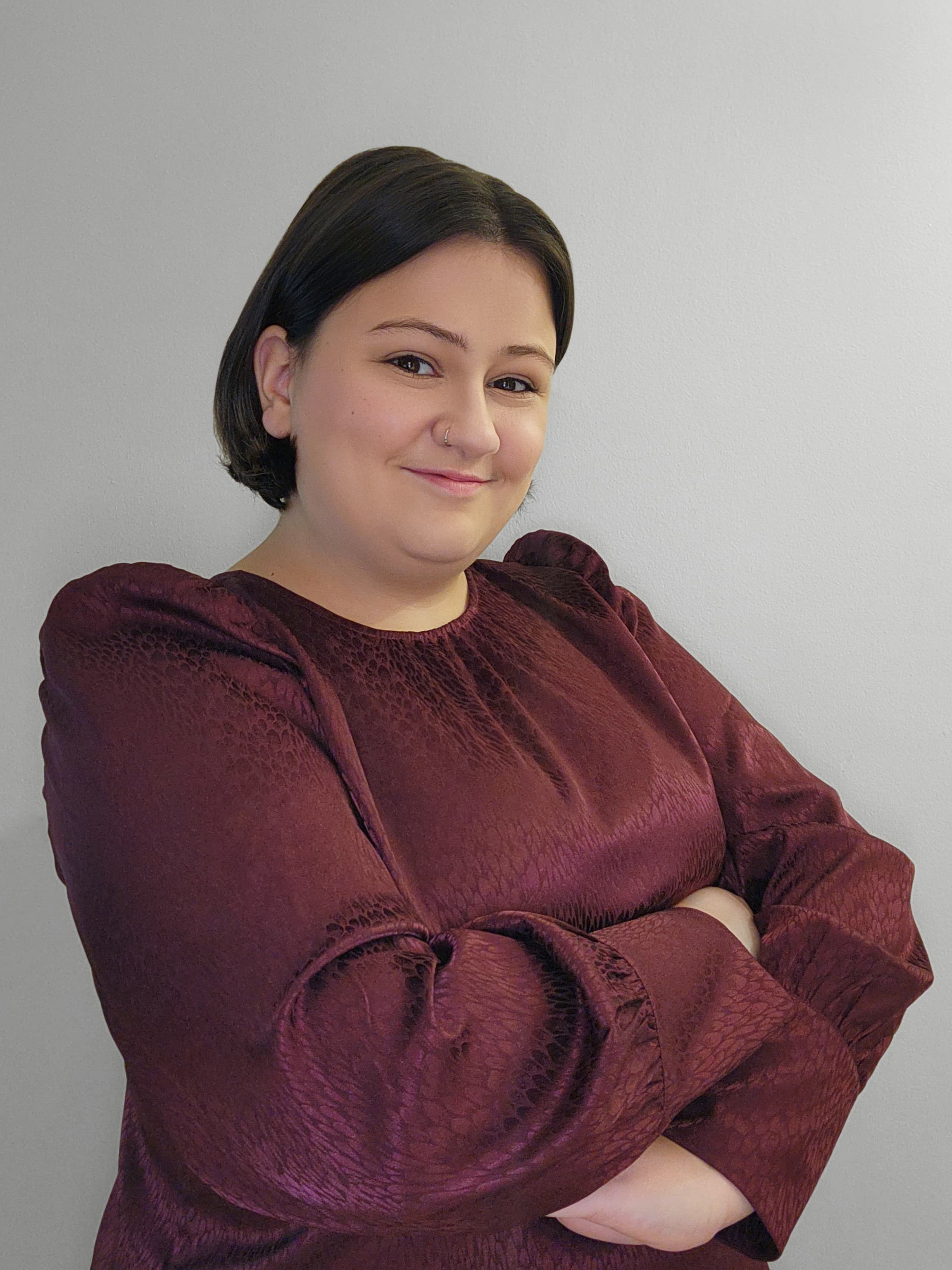
Rae Jardine
Registered Social Service Worker (ON)
Vrushalee Nachar
Registered Psychotherapist (ON)
Sze Nga Cecilia Au Yeung
Registered Social Worker (ON)
Judith Klapak
Counselling Therapist (AB)
Liv Noël Dakkak
Registered Social Worker (ON)
Jonathon Zarb
Registered Psychotherapist (ON)
Spencer Nageleisen
Registered Psychotherapist (ON)
Karen Weishuhn
Registered Psychotherapist (Qualifying) (ON)
Jeromy Deleff
Canadian Certified Counsellor
Melodi Laframboise
Registered Psychotherapist (ON)
Maya Dousti
Registered Psychotherapist (ON)
Jessica DeMille
Registered Psychotherapist (Qualifying) (ON)
Rebecca Sun
Registered Clinical Counsellor (BC)
Irfa Samnani
Registered Psychotherapist (Qualifying) (ON)
Jessica Bagiamis
Registered Psychotherapist (ON)
Chelsea Jackson
Registered Psychotherapist (ON)
Mackenzie Fournier
Registered Psychotherapist (ON)
Ivana Di Cosola
Registered Social Worker (ON)
Mat Dean
Registered Psychotherapist (ON)
Jennica Campbell
Registered Therapeutic Counsellor (BC)
Rae Jardine
Registered Social Service Worker (ON)